
Department of Sustainable Tropical Forestry
Advancing education, research, and community engagement in forest science, conservation, sustainable land use, and responsible resource management for Papua New Guinea and the South Pacific.
About the Department
The Department of Sustainable Tropical Forestry is part of the School of Natural Resources and leads the Bachelor in Sustainable Tropical Forestry. The department develops scientific knowledge, technical capability, and professional values for sustainable forest resource management in Papua New Guinea and the wider South Pacific.
Its teaching and applied training emphasise forestry as a renewable natural resource discipline with strong foundations in science, management, conservation, forest utilisation, and community-centred sustainable development.
- Sustainable forest resource management and wise utilisation
- Forest ecology, botany, silviculture, and inventory assessment
- Conservation, land use planning, and ecosystem stewardship
- Field-based learning, industry relevance, and community forestry
At a Glance
- Department: Sustainable Tropical Forestry
- School: School of Natural Resources
- Program: Bachelor in Sustainable Tropical Forestry
- Focus: Forestry science, conservation, and sustainable resource management
- Approach: Scientific, practical, interdisciplinary, and community-oriented
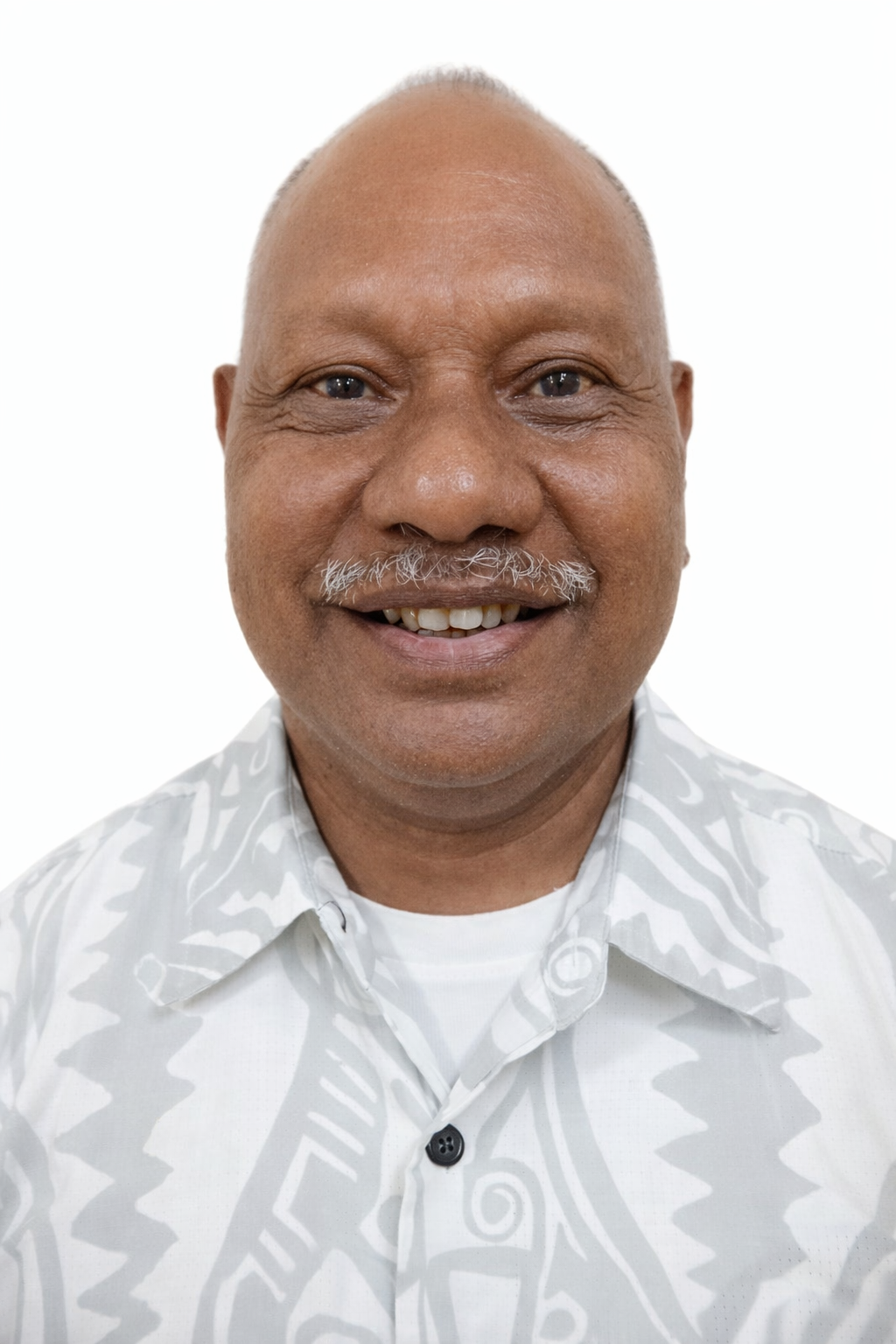
Head of Department
Academic leadership for the Department of Sustainable Tropical Forestry.
Role: Mr. Stephen Keu provides leadership for the department’s academic, research, and outreach directions in forestry resource management.
Core Areas of Focus
Key academic and professional strengths reflected in the forestry program.
Teaching
Support student learning in forestry science, forest ecology, dendrology, silviculture, GIS, catchment management, policy, and community forestry through structured coursework and applied field learning.
Research
Promote research in sustainable forest use, biodiversity conservation, forest carbon systems, environmental planning, and timber utilisation aligned with national and regional priorities.
Community & Industry Engagement
Connect academic knowledge with forestry agencies, conservation organisations, industry partners, and communities to strengthen responsible land use and long-term forest stewardship.
Majors in Years 3 and 4
The department supports five advanced areas of study within the degree program.
Forestry Sciences and Technology
Develop technical and scientific capability for sustainable forestry systems, forest productivity, and timber utilisation.
Forestry Management & Nature Conservation
Focus on forest stewardship, biodiversity conservation, ecosystem protection, and responsible land use planning.
Forest Carbon Science & Policy Management
Study forest carbon systems, climate policy, environmental governance, and carbon-related planning for forestry.
Regional Development and Sustainability
Explore the relationship between forestry, communities, regional planning, and sustainable development outcomes.
Forest Engineering and Harvesting
Build capability in timber operations, harvesting systems, transport planning, and engineering methods for forest industries.