
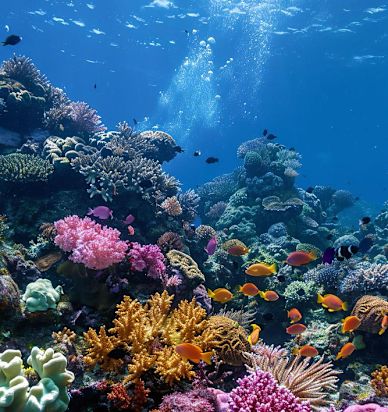
Project Overview
📅 Project Period: June 2021 – June 2024
📍 Location: Coastal communities in Western Province, Papua New Guinea
The Sustainable Coastal Fisheries & Livelihoods Project is a multidisciplinary research initiative led by UNRE aimed at strengthening marine resource management while improving income opportunities for coastal communities in Papua New Guinea.
Recognizing the growing pressures of overfishing, climate change, and coastal ecosystem degradation, the project focuses on developing community-based fisheries management systems supported by scientific data, policy engagement, and local capacity building.
Research Objectives
The project was designed around three core objectives:
-
Assess Marine Resource Health
Conduct baseline studies on fish stocks, coral reef conditions, and coastal biodiversity. -
Develop Community-Based Management Models
Work with local leaders and fishers to implement sustainable catch limits, seasonal closures, and habitat protection measures. -
Enhance Livelihood Diversification
Introduce alternative income opportunities such as aquaculture, seaweed farming, and value-added fish processing.
Methodology
UNRE researchers and students conducted:
-
Marine biodiversity surveys
-
Catch data monitoring
-
Socioeconomic assessments of fishing households
-
GIS mapping of coastal resource zones
-
Community consultations and training workshops
Students from fisheries and environmental science programs participated in field research, data collection, and stakeholder engagement, ensuring integration between academic training and real-world application.
Key Outcomes
1. Improved Resource Monitoring
The project established community-led data collection systems, enabling more accurate tracking of fish stocks and marine ecosystem health.
2. Policy Recommendations
Findings contributed to provincial-level fisheries management discussions and informed sustainable coastal development strategies.
3. Strengthened Community Capacity
Training programs empowered local fishers to implement sustainable practices and improve post-harvest handling.
4. Student Research Opportunities
The project generated undergraduate and postgraduate research topics in fisheries science, marine ecology, and resource economics.
Strategic Impact
This initiative demonstrates UNRE’s leadership in sustainable marine resource management and its commitment to supporting Papua New Guinea’s coastal communities. By combining science, policy, and community engagement, the project contributes to long-term food security, biodiversity protection, and economic resilience.